
Cadmium paints are valued in the art world for their strong colour intensity, good opacity and excellent lightfastness. Cadmium yellows, oranges and reds are especially well known, offering intense and stable results across different techniques. At the same time, cadmium has certain characteristics that have led more and more artists and manufacturers to look for alternatives.
What are cadmium paints and why are they considered special
Cadmium paints are artist paints whose colour is based on cadmium compounds. They are valued above all for their very strong colour intensity, good opacity and excellent lightfastness, especially in yellow, orange and red tones. Because of these qualities, cadmium paints have long been highly regarded by professional artists.
Cadmium itself is a rare and toxic heavy metal, the mining and processing of which is complex and strictly regulated. Its use requires high safety and environmental standards throughout the entire production process, which is reflected in the price of the paints. Although in finished artist paints the pigments are bound in a binder and are generally safe in normal use, cadmium still involves higher requirements for production, waste handling and responsible use.
Why alternatives to cadmium are sought
In recent years, interest in safer and more environmentally conscious solutions has grown. Many artists prefer paints that do not contain toxic heavy metals, especially when working in home studios, educational institutions and workshops.
Legislation and production requirements have also directed the paint industry toward developing alternative pigment solutions that offer a similar visual result without the risks associated with cadmium. As a result, cadmium-free tones have become a natural part of the colour range for both professional and hobby artists.
How cadmium-free tones are made
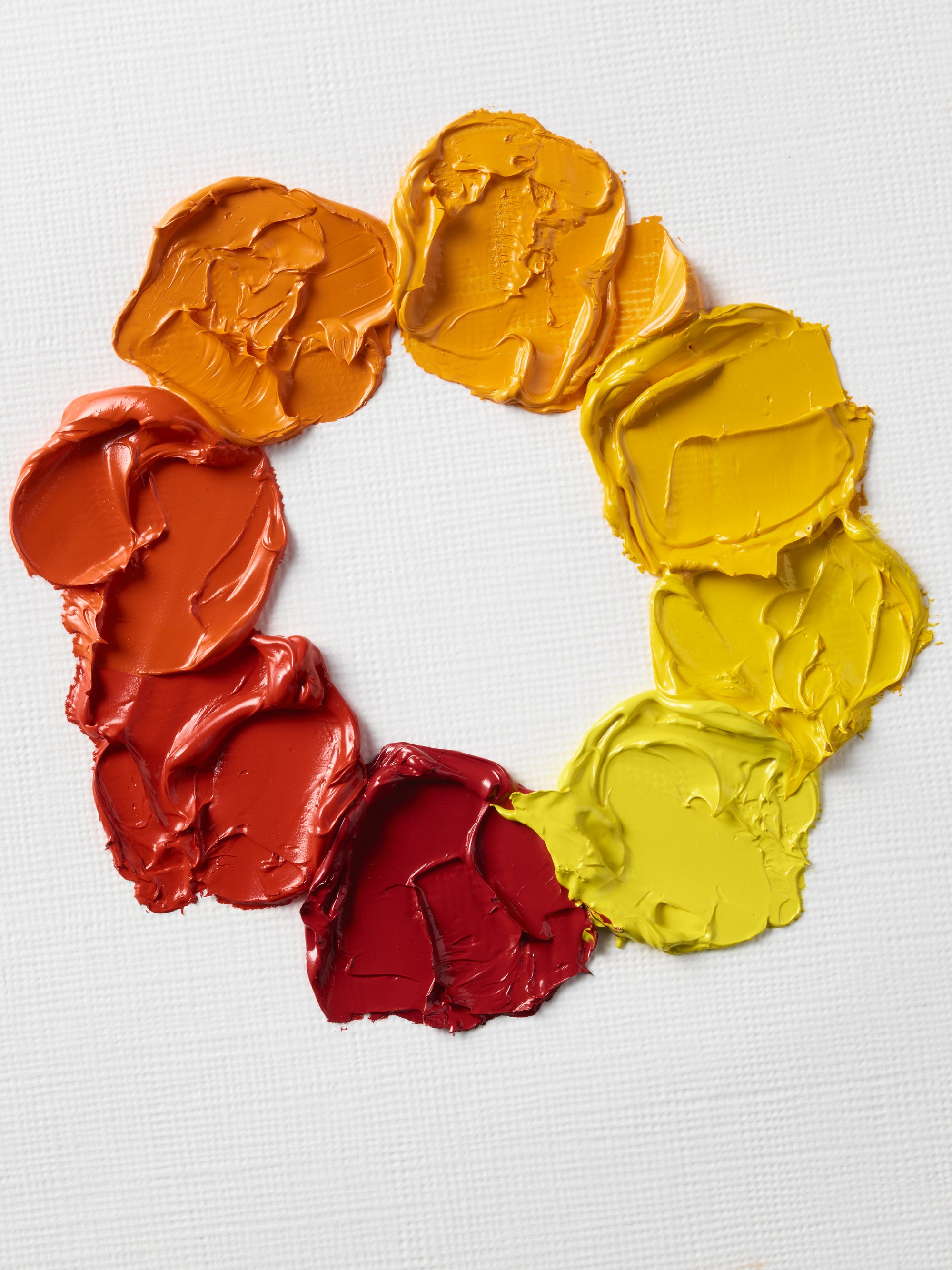
Cadmium-free alternatives are mainly based on modern synthetic organic pigments. By combining these pigments, it is possible to achieve tones that are very similar to traditional cadmium paints in terms of colour intensity, lightfastness and mixing properties.
Cadmium-free tones are designed to offer colour intensity, opacity and working properties that are as close as possible to traditional cadmium colours, using modern pigment blends and production technologies. The result is stable and reliable paints that are well suited to a wide range of creative processes.
Use in different types of paint
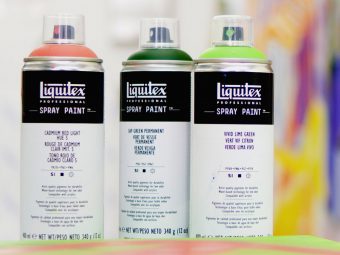
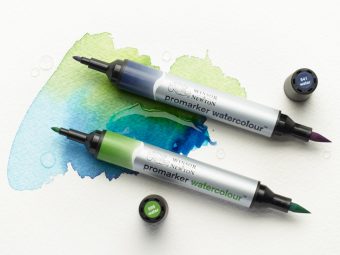
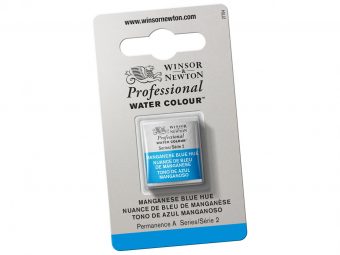
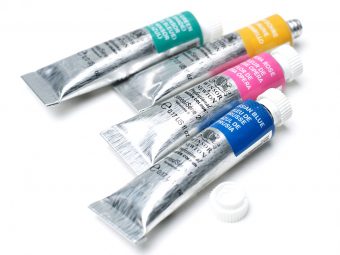
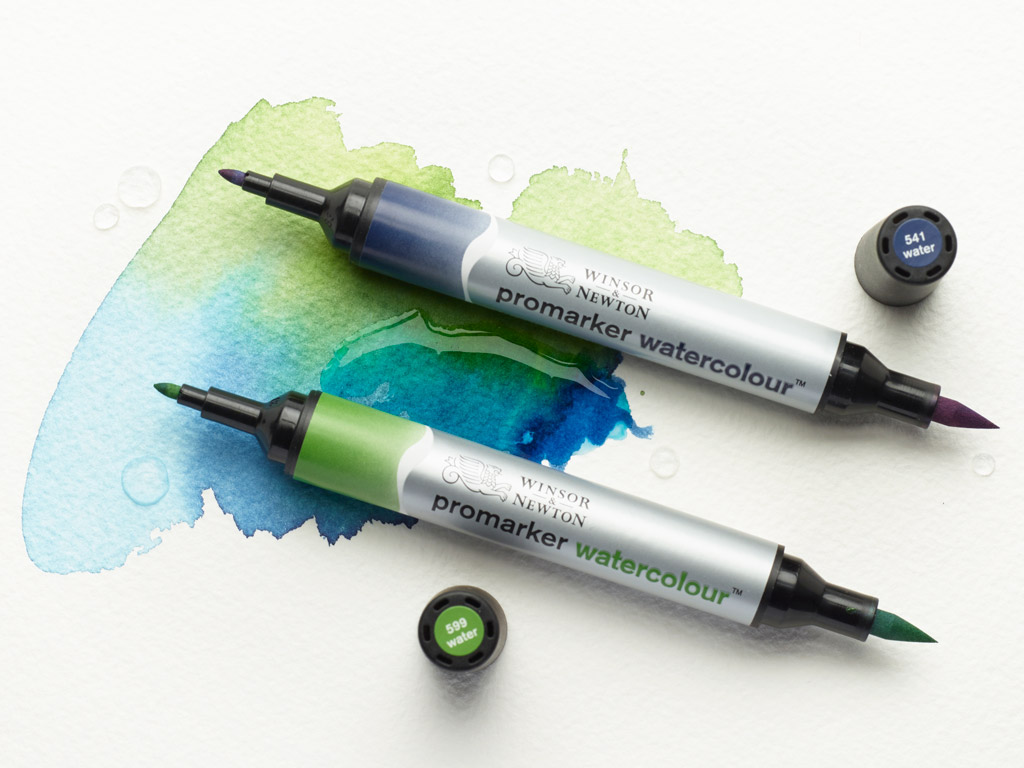
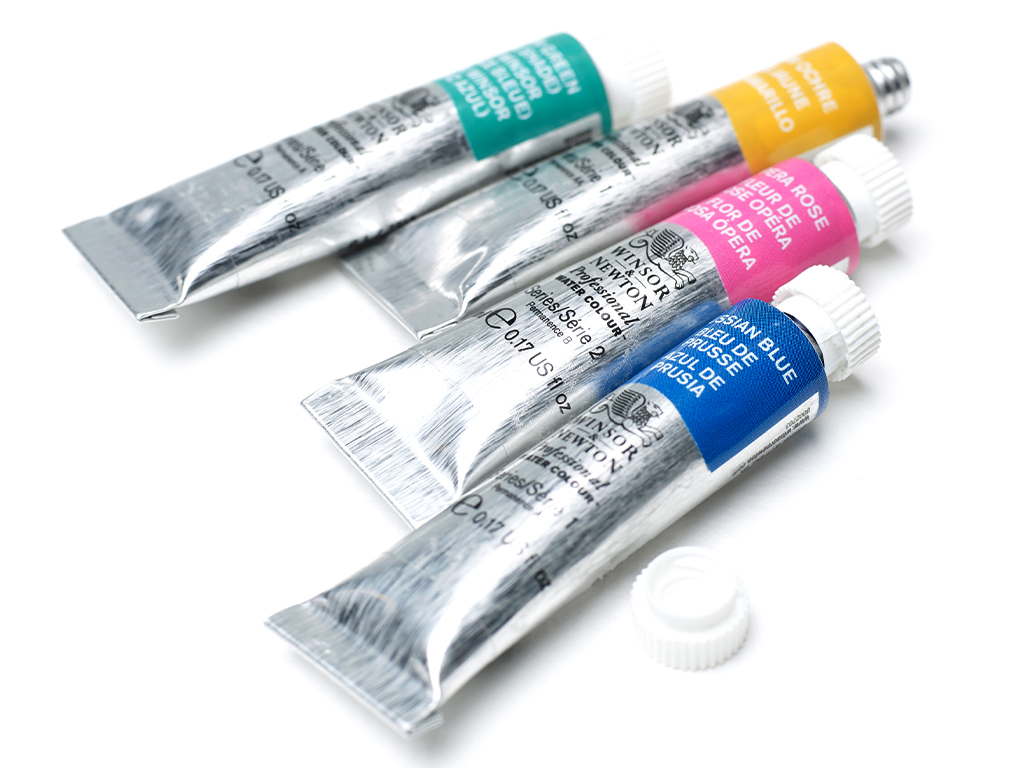
Cadmium-free solutions are now available in all common types of paint. In acrylic paints, their brightness and fast drying time are appreciated; in oil paints, the depth of colour and lightfastness are important. In watercolour and gouache, pigment purity and controlled transparency or opacity play a key role.
Cadmium-free does not mean lower quality, but rather reflects the development of the paint industry and a more conscious approach to material choices.

How to identify cadmium-free tones
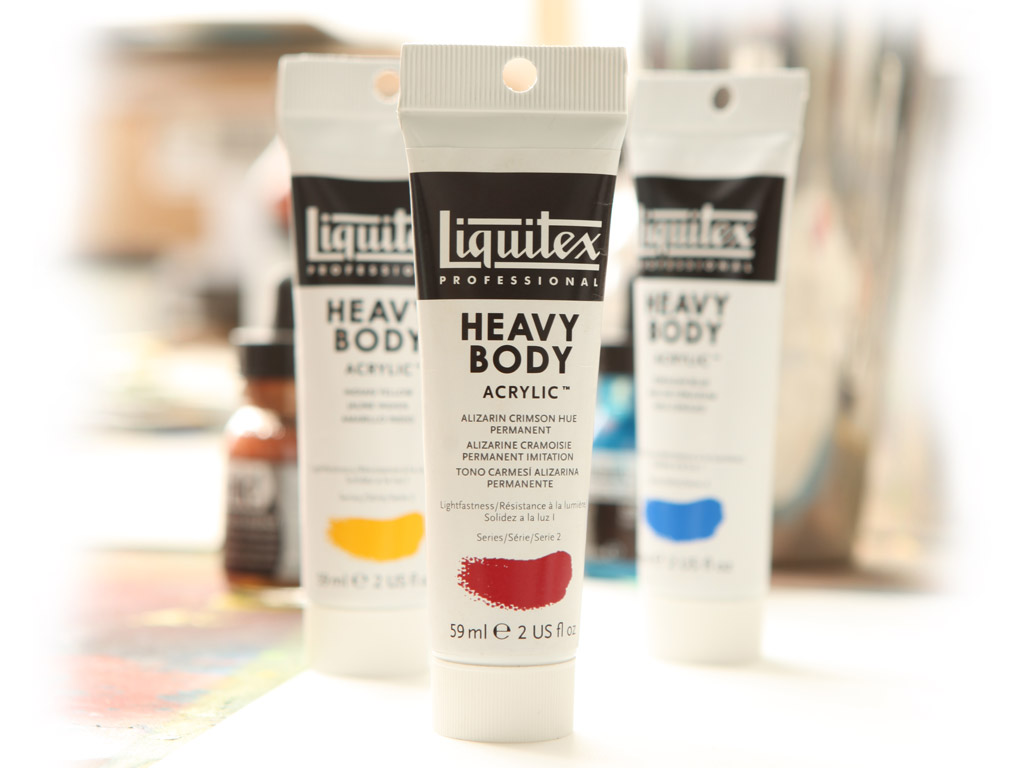
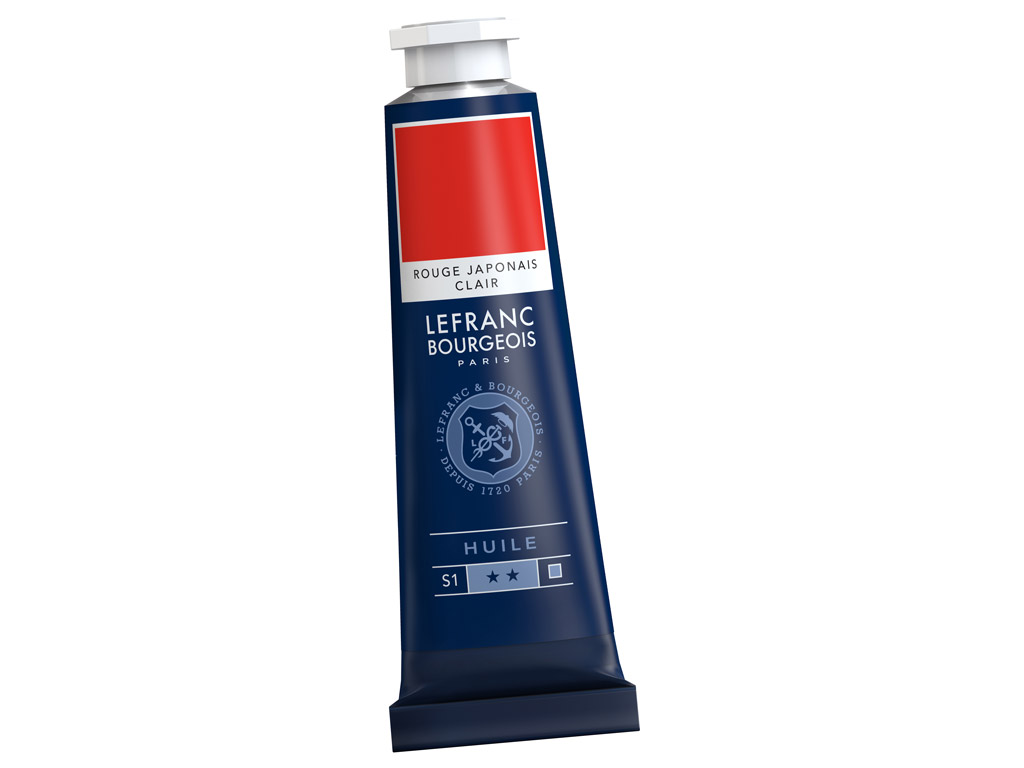
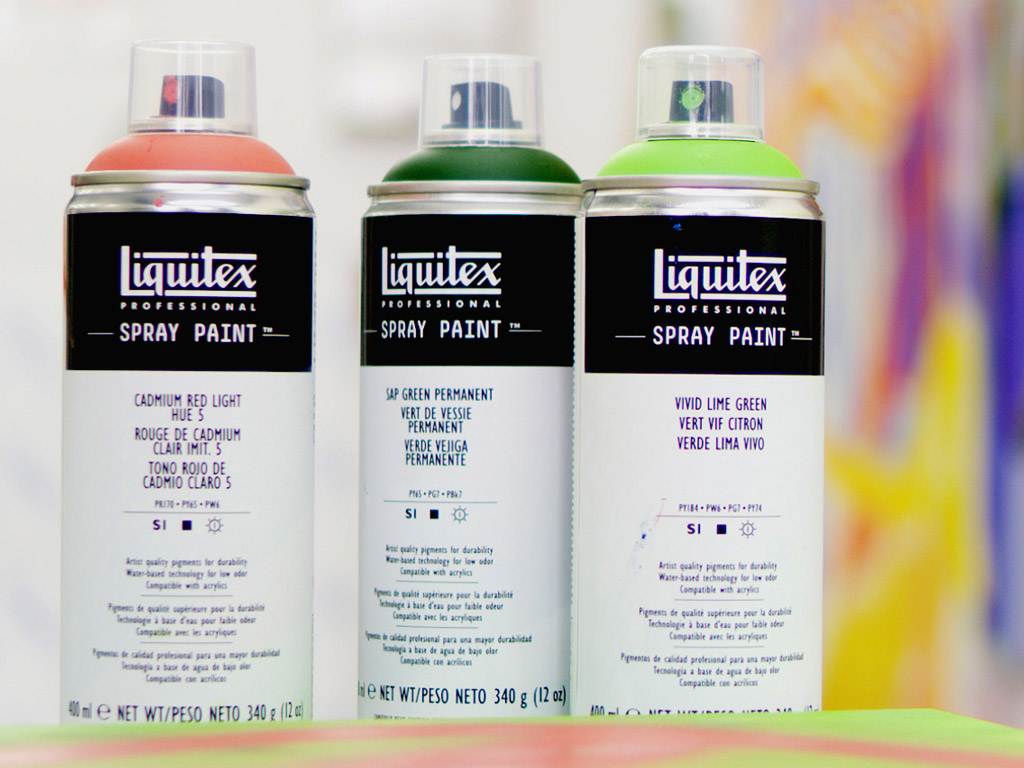
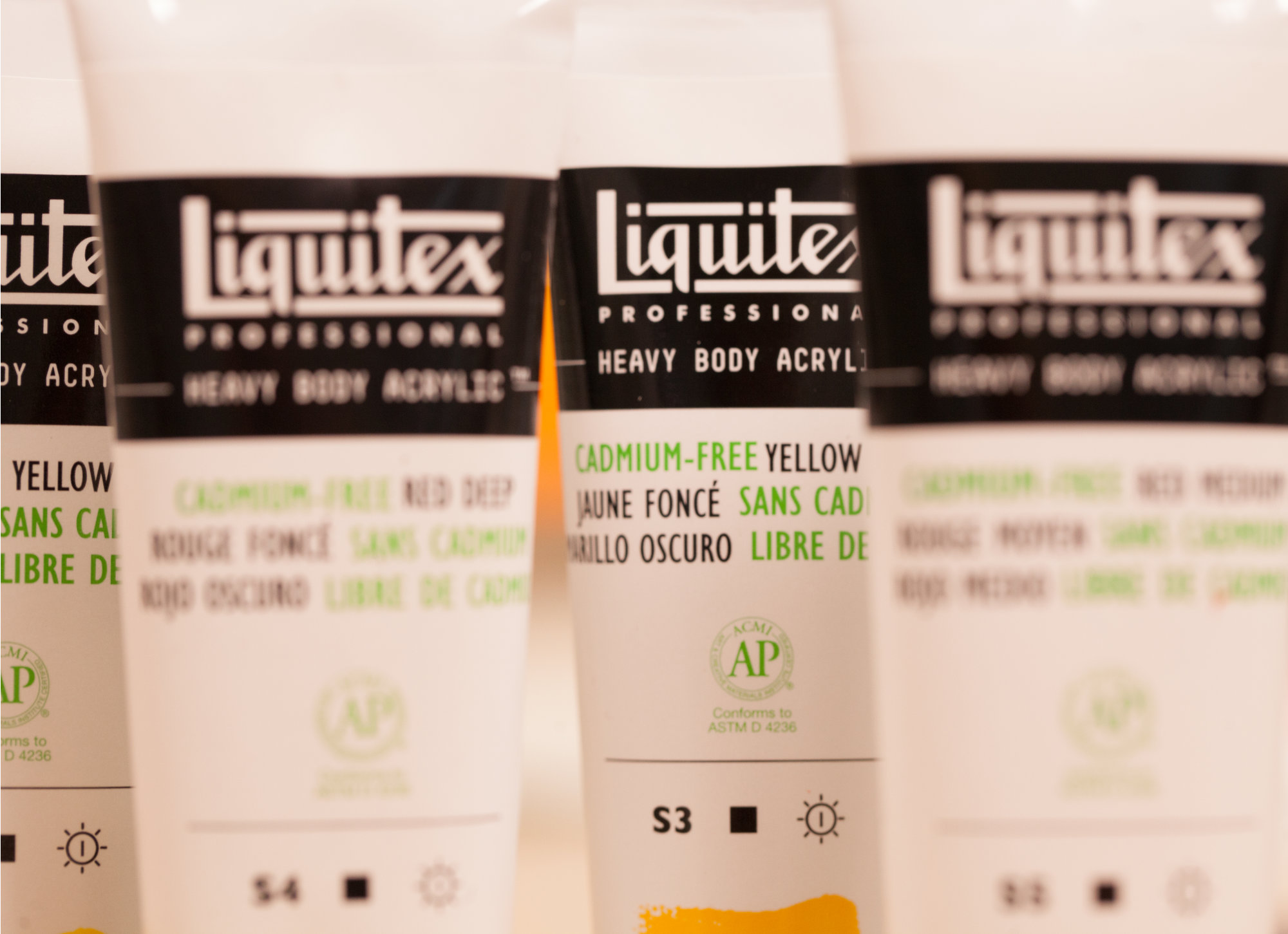
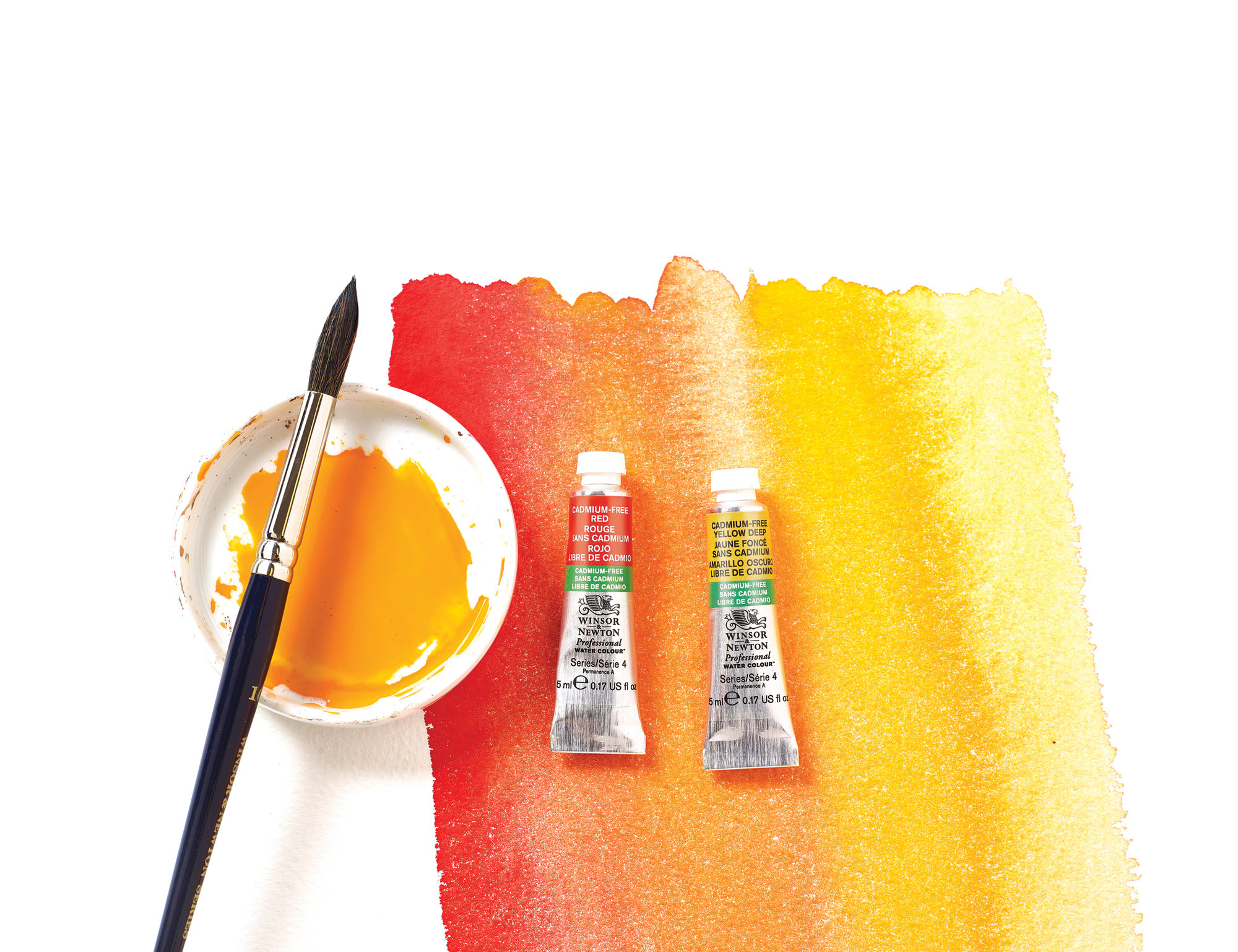
Cadmium-free paints are generally quite easy to identify from the packaging. Names often include references such as cadmium free, cadmium-free hue or hue. The word hue means that the tone imitates a classic cadmium colour but is made using alternative pigments.
The pigment list always provides the most reliable answer. In artist paints, cadmium pigments are most commonly identified by the codes PY35 (cadmium yellow), PO20 (cadmium orange) and PR108 (cadmium red). If these codes do not appear in the pigment list, the colour is cadmium-free.
Cadmium-free paints typically use synthetic pigments or pigment blends that allow similar colour intensity and working properties without the use of heavy metals.
A conscious choice for the creator
Cadmium-free paints offer the opportunity to make a more conscious choice without sacrificing quality or expressive power. They are well suited both for those who value safety and environmental responsibility and for those who want to work with modern and flexible materials.
Today’s alternatives give creators the freedom to focus on ideas and expression, with the confidence that the materials used are responsible and reliable.