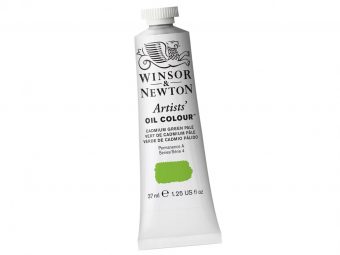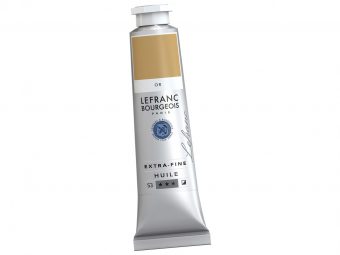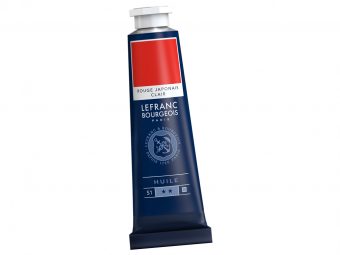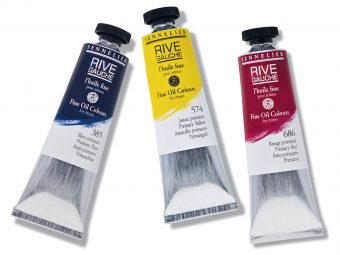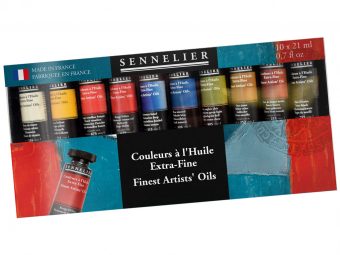

Oil paints have been valued by artists for centuries. They are loved for their rich colours, depth and flexible working process, which allows artists to work on a painting over an extended period. Unlike watercolours or acrylics, oil paints do not require you to work quickly. Instead, they give you time to mix colours, add layers and revisit earlier decisions.
At first glance, oil painting may seem complicated. Alongside the paints themselves, there are brushes, canvases, oils, mediums and solvents to get to know. In reality, however, you only need a few basic supplies and a willingness to experiment to get started.
Oil Paints Through the Centuries
Although oil-based paints had been used for centuries before, oil painting became more widely popular in Europe during the 15th century. Its development is often associated with the Netherlandish artist Jan van Eyck, who did not invent oil paint but helped refine the techniques used to work with it. The slow drying time, easy blending and ability to create translucent layers and fine details gave artists new ways to depict light, colour and depth.
Over the following centuries, oil painting became one of the most important painting techniques in Western art history, used by artists with very different styles, from Rembrandt and Vermeer to Monet and van Gogh. The composition and production of paints, as well as artists’ techniques, have changed over time, but the versatility of oil paints has kept them an important painting medium to this day.
What Is Oil Paint Made Of?
Oil paint consists of two main components: pigment and binder. The pigment gives the paint its colour, transparency, opacity and lightfastness, while the binder holds the pigment particles together and helps the paint adhere to the painting surface. Linseed oil is the most commonly used binder, although poppy, safflower or walnut oil may also be used, depending on the paint. The choice of oil affects properties such as gloss, flow and drying time.
Manufacturers may also use various additives to adjust the paint’s consistency and other properties. If you would like to learn more about pigments, binders, lightfastness and opacity, take a look at our blog post “How to Read a Paint Tube”, where we explain these markings in more detail.

Why Do Artists Choose Oil Paints?
One of the greatest advantages of oil paints is their flexibility. Their slow drying time allows colours to be blended, layered and reworked over an extended period. Rich colours and easy blending make it possible to create anything from thin, translucent layers to thick, textured brushstrokes. The freedom to combine different techniques, together with the longevity of a properly executed painting, has helped oil paints remain a valued medium among artists to this day.
Why Do Oil Paints Dry So Slowly?
Depending on the conditions, oil paints can take days or weeks to dry, and thicker layers may take even longer. Drying time is affected by factors such as the pigment used, the thickness of the paint layer, temperature and humidity, as well as any oils and mediums added to the paint. This extended drying time gives artists the opportunity to work with the colours for longer, create soft transitions, adjust details and develop a painting gradually.
When painting in layers, artists often follow the principle of “fat over lean”. This means that each successive layer should contain more oil or dry more slowly than the layer beneath it. Following this principle helps the paint layers dry evenly and reduces the risk of cracking over time.
What Role Do Oils, Mediums and Solvents Play?
Oil paints are often used alongside various additional materials that help adjust their properties and make the painting process easier.
- Solvents are generally used to thin paint and clean brushes and other tools.
- Oils affect the paint’s flow, gloss and drying time. The best-known example is linseed oil, which can be added to make the paint more fluid and transparent. Various other oils can also be used.
- Mediums can alter the paint’s texture, transparency, gloss and drying speed. Some help create a very smooth surface, while others allow for more expressive textures.
You do not need dozens of different products to get started. A few carefully chosen supplies are often enough.

Which Surfaces Are Suitable for Oil Paints?
The most common surfaces for oil painting are canvas, primed painting board and specially prepared oil painting paper. Each surface behaves slightly differently, affecting how the paint is absorbed, the character of the brushstrokes and the texture of the finished work.
Canvas, for example, gives a painting its characteristic, slightly textured surface, while primed painting board is an affordable and lightweight option for practice. Oil painting paper is also a convenient choice for sketches, studies and smaller works.
Ready-made painting canvases are generally already primed, so you can begin painting straight away. If you wish, you can add further layers of primer to adjust the surface’s absorbency, smoothness or texture to suit your preferences. Priming is especially important when painting with oils on an alternative, untreated surface, as the primer creates a protective layer between the paint and the support and prevents oil from soaking into the material.
Which Brushes Are Suitable for Oil Paints?
Oil painting generally calls for firmer brushes that can move thicker paint effectively and hold their shape while you work. Both synthetic and natural bristles are available, and the right brush depends primarily on your painting technique and the result you want to achieve.
The shape of the brush also matters. Round brushes, for example, are useful for painting details, flat brushes for covering larger areas, and filbert brushes for creating softer edges and transitions.
If you would like to learn more about brushes, we also recommend reading our earlier blog post, where we take a closer look at brushes suitable for oil painting.
Water-Mixable Oil Paints
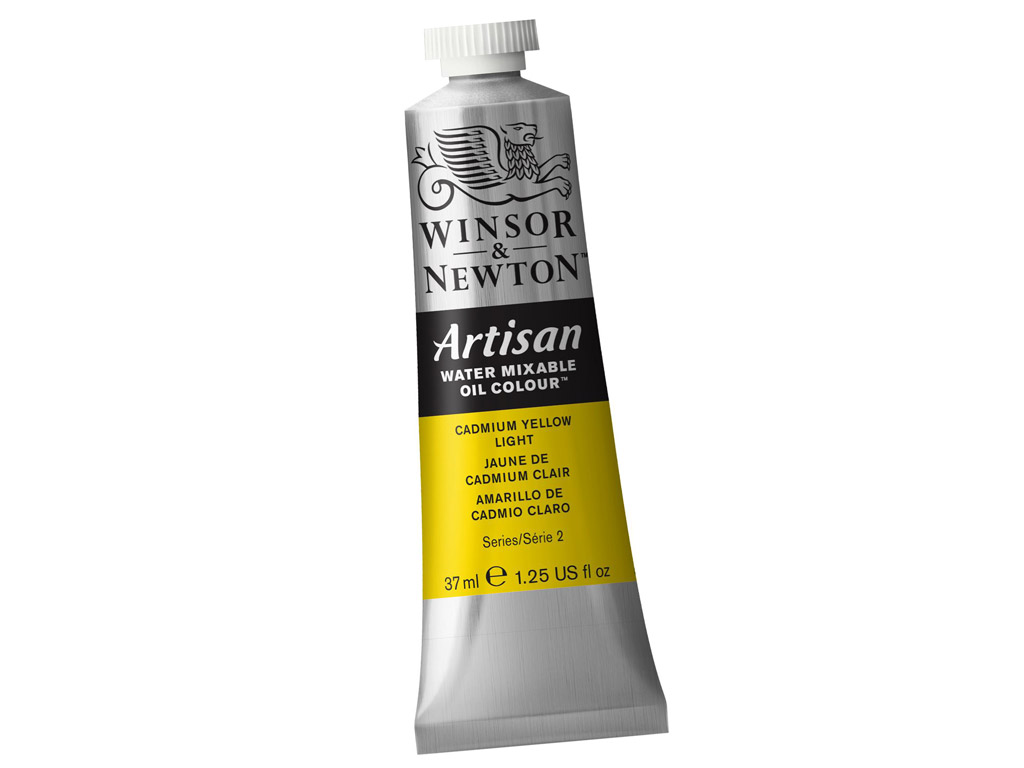
Alongside traditional oil paints, water-mixable oil paints are also available. Despite the name, these are not water-based paints: they are still oil paints. Their formulation has been adapted so that the paint can mix with water while retaining the characteristic properties and techniques of oil painting.
Water-mixable oil paints can be thinned with water, and brushes can be cleaned with water after painting, removing the need for conventional solvents. Specially formulated water-mixable oils, mediums and varnishes are also available, allowing you to adjust the paint’s properties without losing its ability to mix with water. For this reason, it is best to use linseed oil designed specifically for water-mixable oil paints rather than ordinary linseed oil.
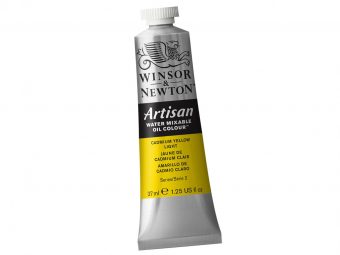
Our range includes Winsor & Newton Artisan water-mixable oil paints and complementary products, which are well suited to anyone who wants to paint with oils while working without conventional solvents.

Oil Paint in Stick Form
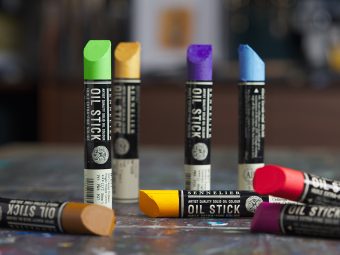
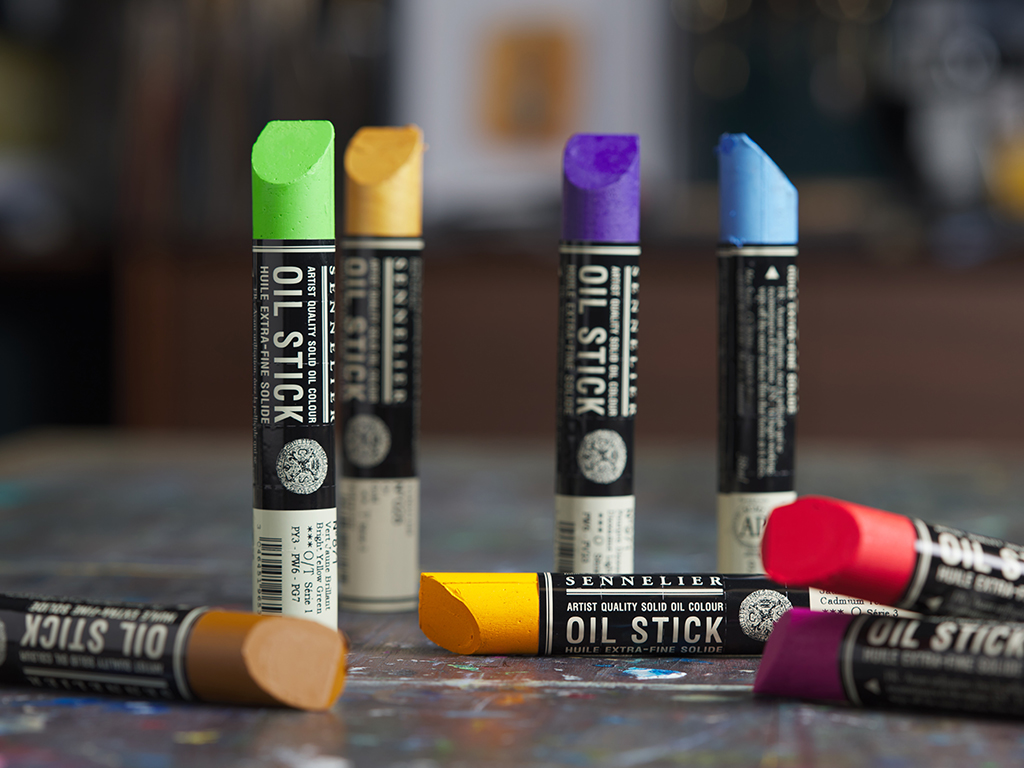
In addition to traditional tube paints, oil paints are also available in stick form. Like tube paints, oil paint sticks consist of pigment and drying oil, but their formulation includes wax to give them a solid shape. This allows you to apply oil paint directly to the surface with the stick, combining the possibilities of painting and drawing.
Oil paint sticks can be used to make bold lines, cover larger areas and add texture and drawn elements to a painting. They can be used on their own or alongside traditional oil paints.
Although oil paint sticks may look similar to oil pastels at first glance, they are different materials. Oil paint sticks contain drying oil, so their paint layer dries and hardens in much the same way as traditional oil paint. Oil pastels, on the other hand, use a binder made primarily from non-drying mineral oils and waxes. As a result, they never dry completely and remain soft and workable over time.
To Conclude
Oil paints offer artists exceptional freedom to experiment with different techniques, textures and approaches. Although oil painting comes with plenty of new terms and materials to explore, getting started does not have to be complicated. The most important things are quality materials, patience and the courage to experiment. The rest comes with experience.