
Watercolour is a light and fluid painting technique where colour, water, and paper work together. The result is transparent layers, soft transitions, and effects that are difficult to control completely. This unpredictability is one of watercolour’s greatest charms.
Where did watercolour originate?
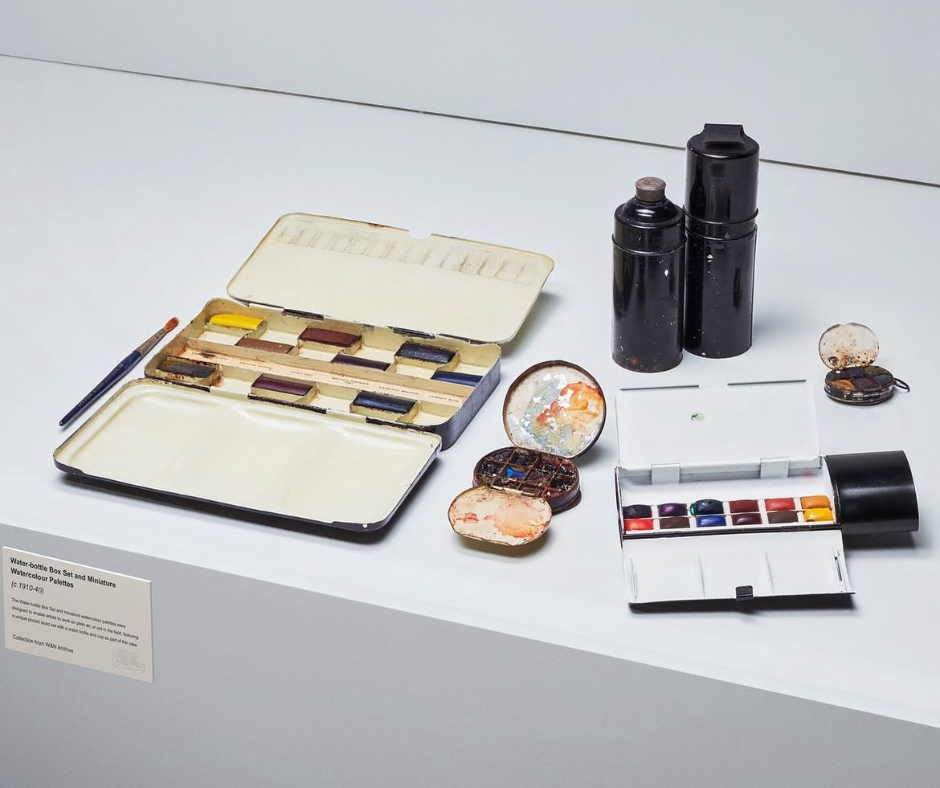
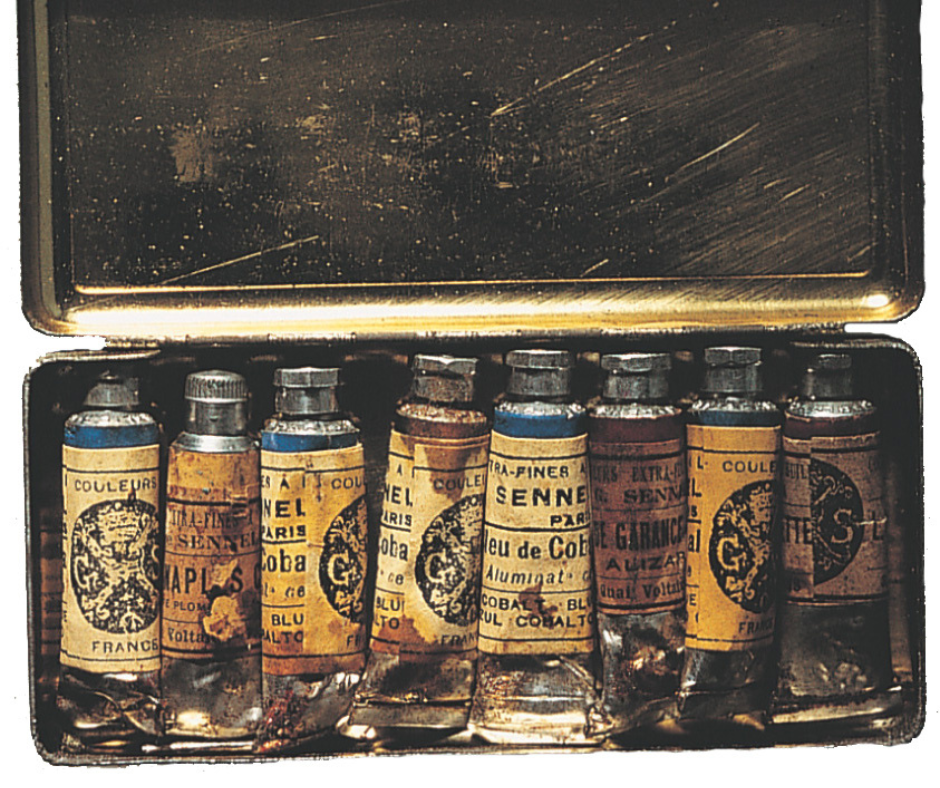
Watercolour has been used in various forms for centuries. Early examples can be found in both Asian and European art, where water diluted pigments were used for illustrations and decorating manuscripts.
Watercolour became more widely popular in Europe during the 18th century, especially in England, where it developed into a popular way of capturing landscapes and nature. Thanks to its portability and quick drying properties, it was particularly well suited for working outdoors.
At first, watercolour was mainly used for sketching and preparatory studies, but over time it became increasingly valued as an independent artistic medium. Artists discovered that watercolour made it possible to create luminous and airy works that were difficult to achieve with other painting techniques.
Today, watercolour is used for everything from quick sketches to highly detailed finished artworks and continues to be appreciated for its spontaneity and expressive qualities.
What makes watercolour paint watercolour?
Watercolour paint consists of pigment and a binder, most commonly gum arabic. This simple yet effective combination gives watercolour its characteristic transparency and lightness.
Unlike more opaque paints such as gouache or acrylic, watercolour does not fully cover the surface. Instead, the paint layer remains thin, allowing light to pass through and reflect back from the paper underneath. This creates the glowing and layered effect that is so distinctive to watercolour and difficult to replicate with other painting mediums.
At the same time, the final result is not determined by the paint alone. The amount of water also plays a major role, directly affecting how the pigment moves and dries on the paper. More water creates lighter, more transparent tones and softer transitions, while less water allows for stronger and more precise results.
This constant balance between water, paint, and surface means that watercolour is never completely controllable. That is exactly what makes every painting slightly unpredictable, yet entirely unique.
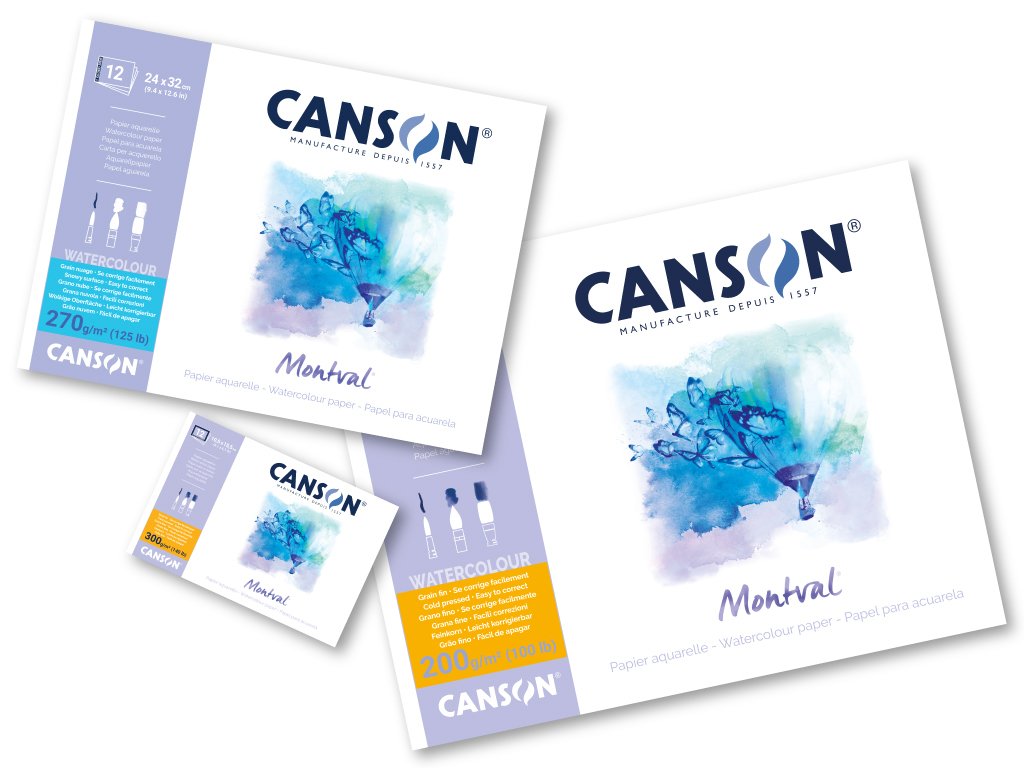
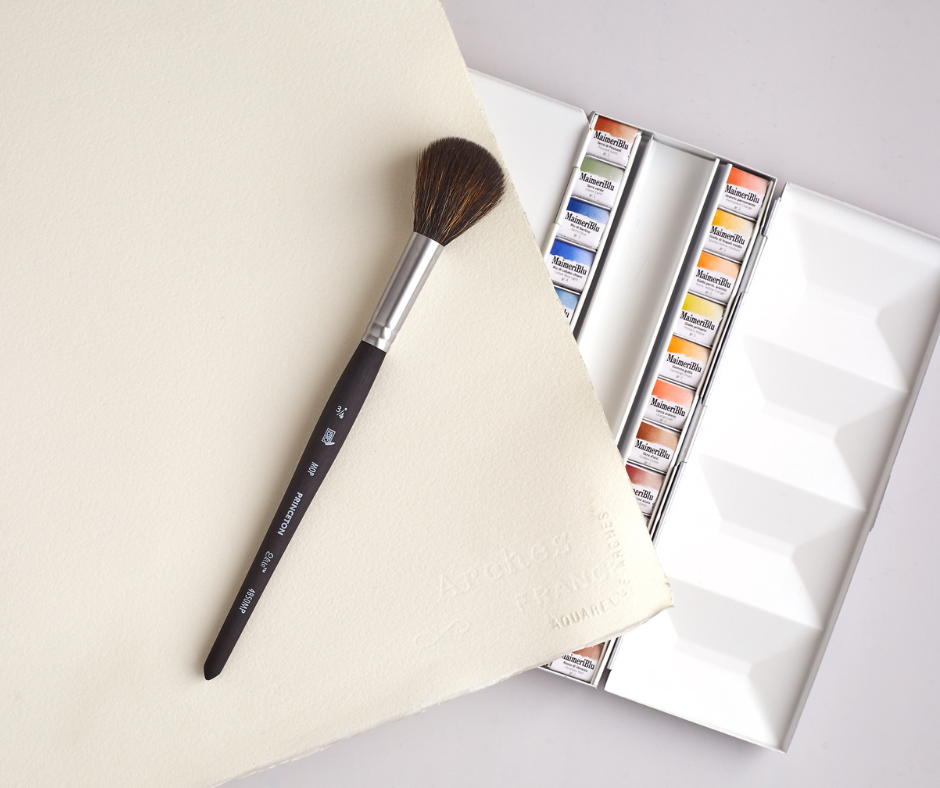
In watercolour painting, paper is not simply a background but an active part of the final result. Its tone, texture, and absorbency directly affect how the paint moves, dries, and ultimately appears. The outcome is always shaped by the interaction between colour, water, and paper rather than by any one of them alone.
Is white paint used in watercolour?
Traditionally, the brightness of the paper itself is considered one of the most important elements in watercolour painting. This means that lighter areas are intentionally left unpainted instead of using white paint.
However, this is not a strict rule. Many watercolour sets still include white shades such as titanium white or chinese white. These are used for a different approach, for example to add highlights to an already finished painting or to create soft and atmospheric effects.
It is important to understand that watercolour whites are often compared to gouache, but they are not the same. They may appear slightly more opaque, yet they usually remain semi transparent and blend more softly with other colours.
Many artists still prefer relying on the white of the paper, but white paint can also be used as a deliberate artistic tool when needed.
The role of watercolour paper
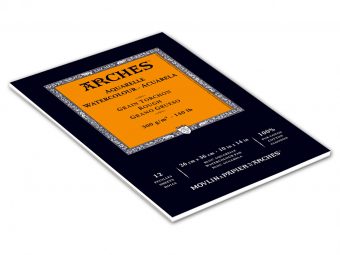
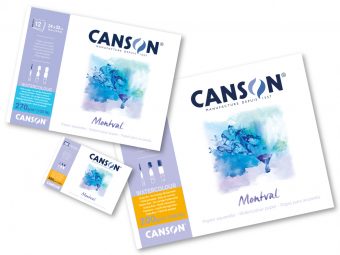
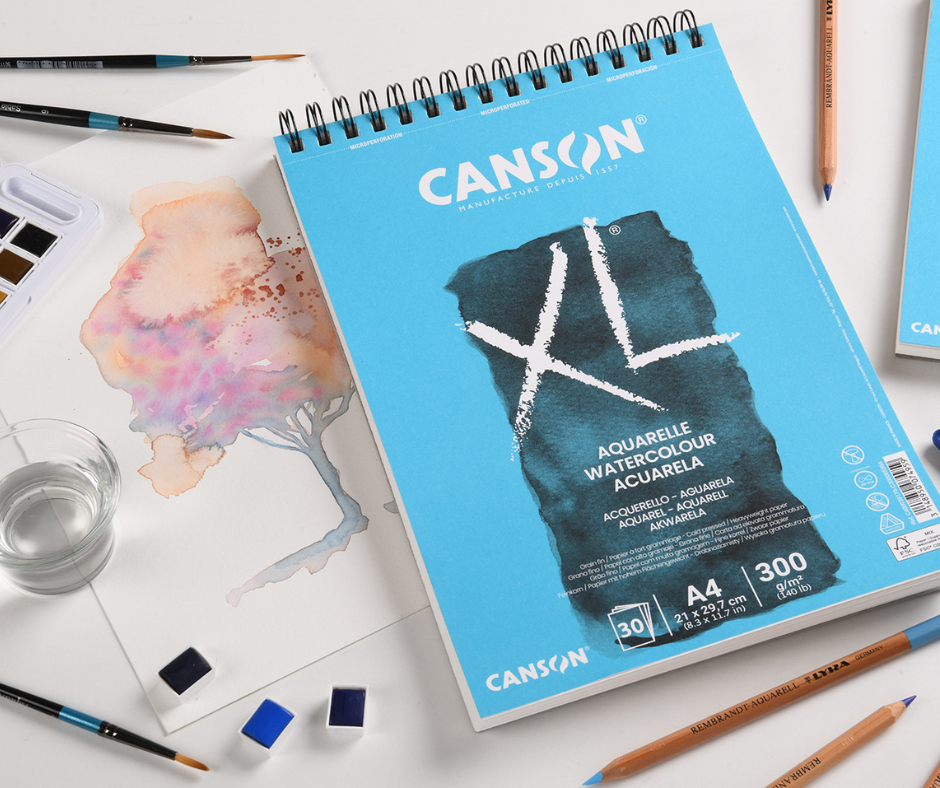
Watercolour paper is designed to withstand water and repeated layers of paint without breaking down or warping excessively. Regular paper is not made for this purpose and can quickly lose its structure.
The characteristics of the paper directly affect how paint behaves on the surface. Thickness determines how well the paper handles water, texture guides the movement of the paint, and composition affects absorbency and drying time. Papers containing cotton are generally more durable and behave more evenly, while cellulose based papers tend to dry faster and may react more unpredictably.
Good paper will not do the painting for you, but it helps paint behave more consistently and supports the entire creative process from beginning to end.
If you would like to learn more about watercolour papers, read our blog post Watercolour 101: What do I need to start watercolour painting?.
Brushes and their characteristics
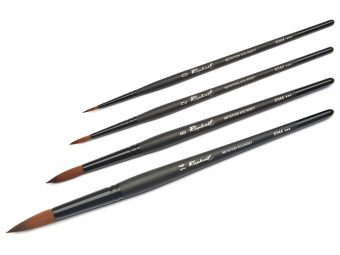
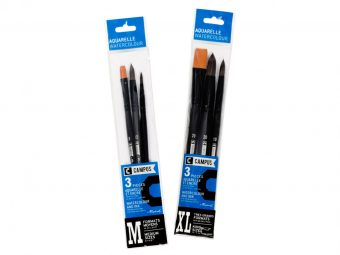
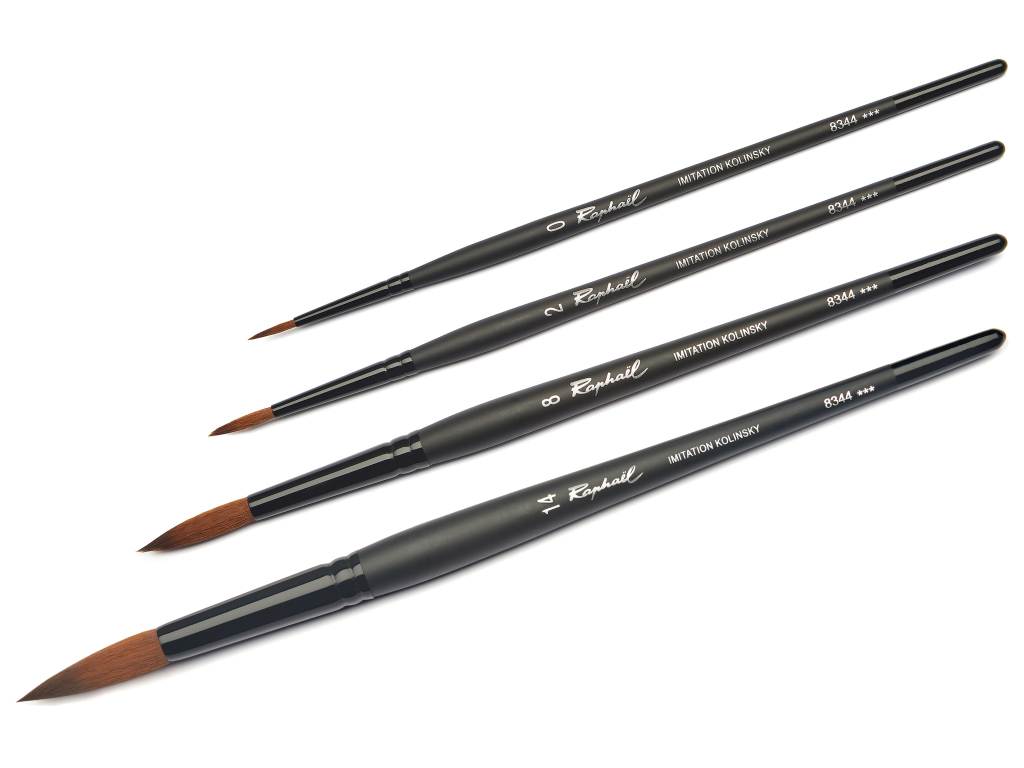
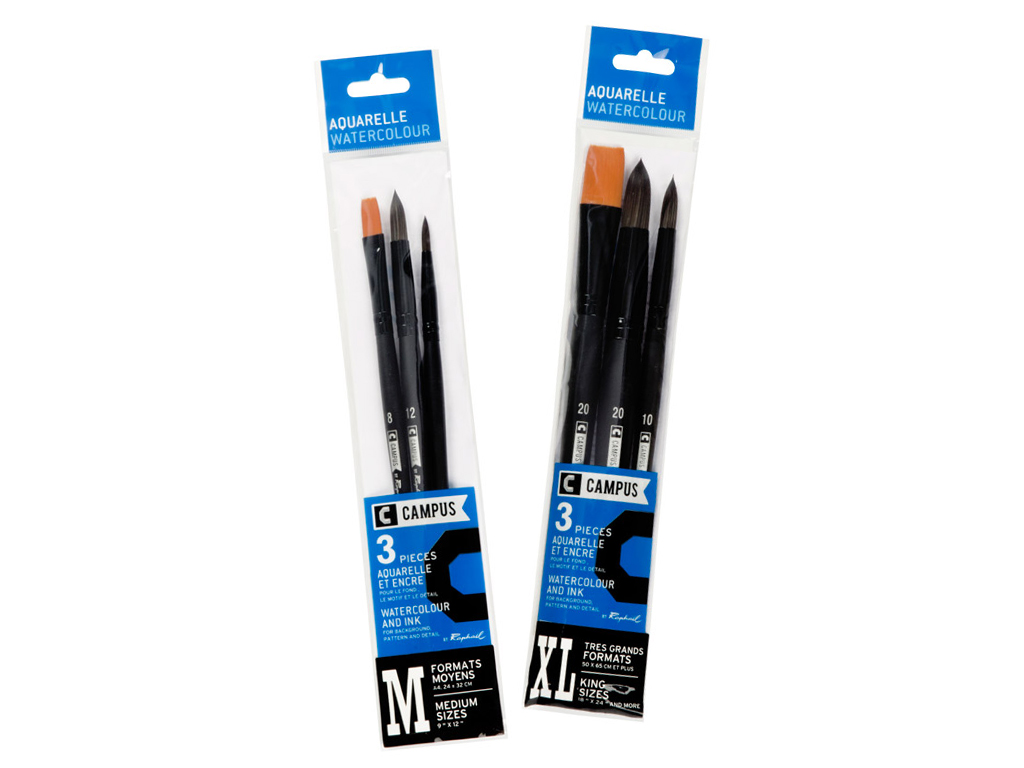
Watercolour brushes are designed to hold water and release it evenly, allowing for smooth and uninterrupted brushstrokes. A good brush helps the paint flow naturally and provides better control for both details and larger areas.
The type of brush hair plays an important role in the overall feel and result. Natural hair brushes can hold more water and create a softer, more fluid effect. Synthetic brushes are slightly firmer but offer more control and are often more durable and easier to maintain.
The shape of the brush also influences the result. A round brush is highly versatile and suitable for both detailed work and expressive strokes, while a flat brush is useful for covering larger areas and creating straighter edges.
As with paper, the most suitable brush often becomes clear through experimentation.
If you would like to understand the differences between brushes and how to choose them, read our blog post Paintbrush 101: Choosing the perfect watercolour brush.
The right tools support the result
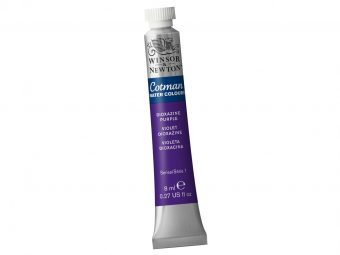
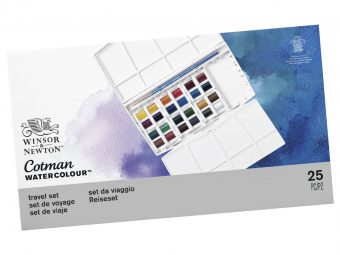
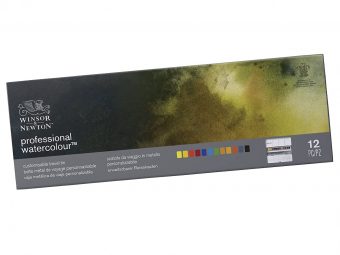
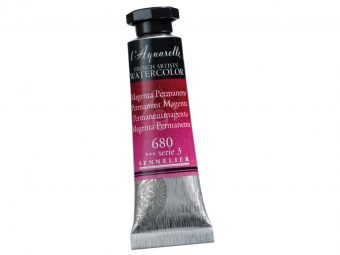
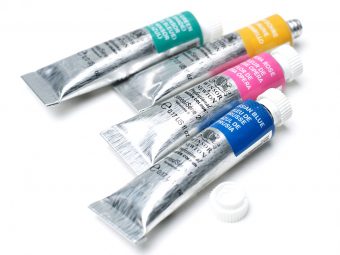
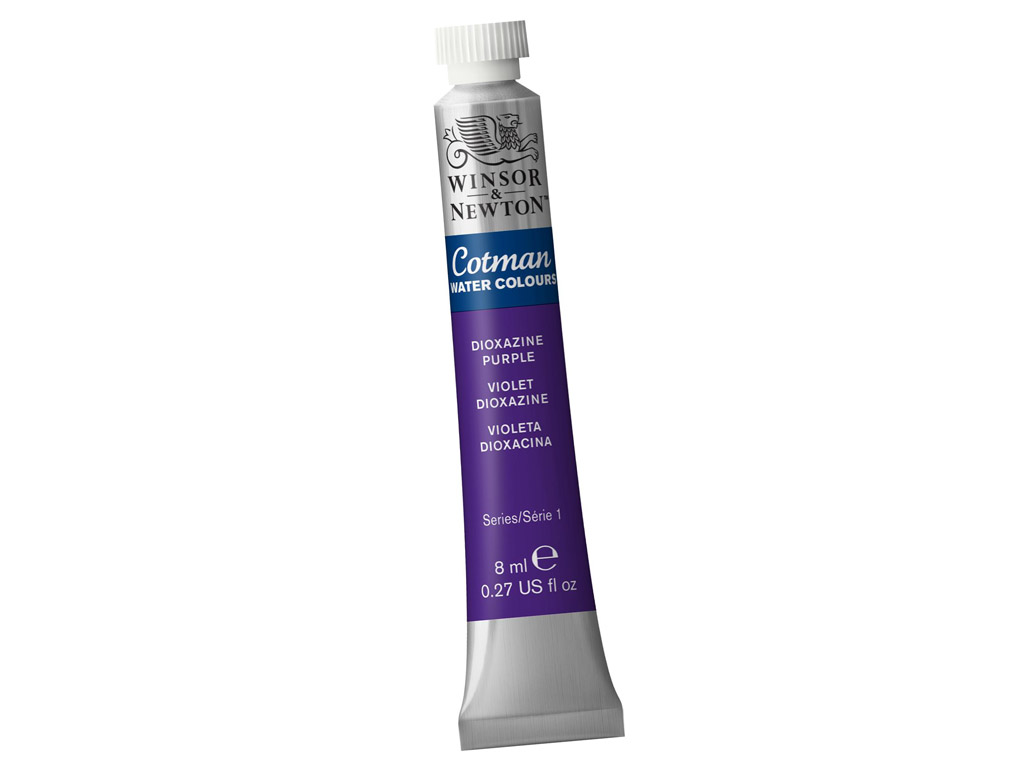
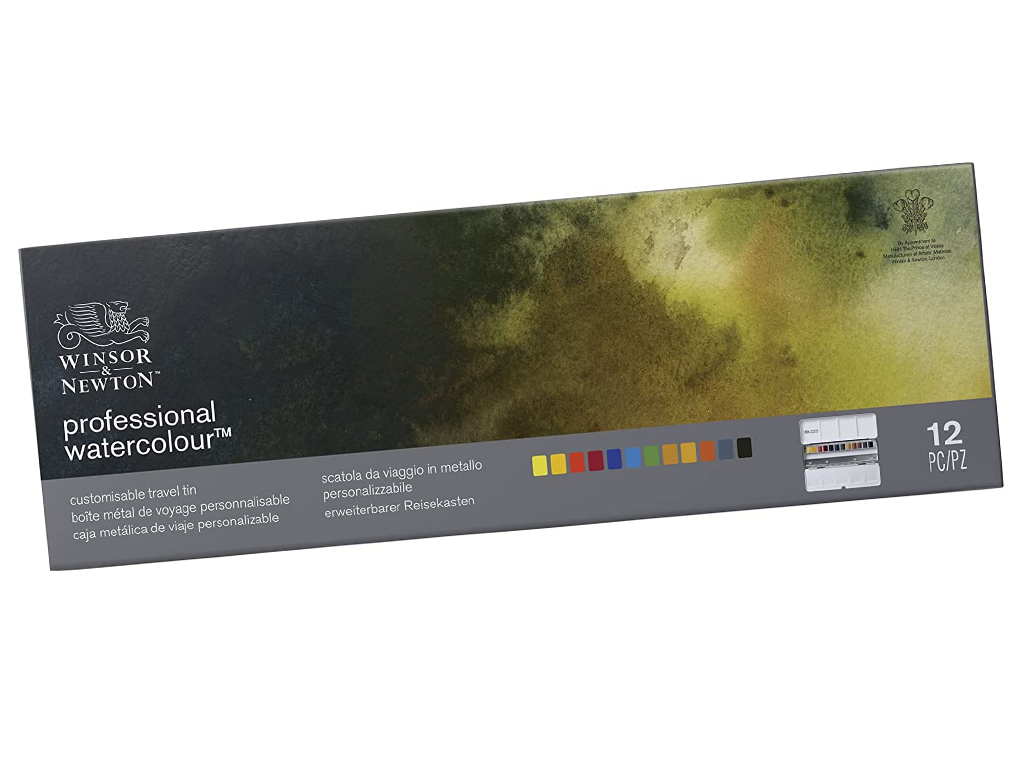
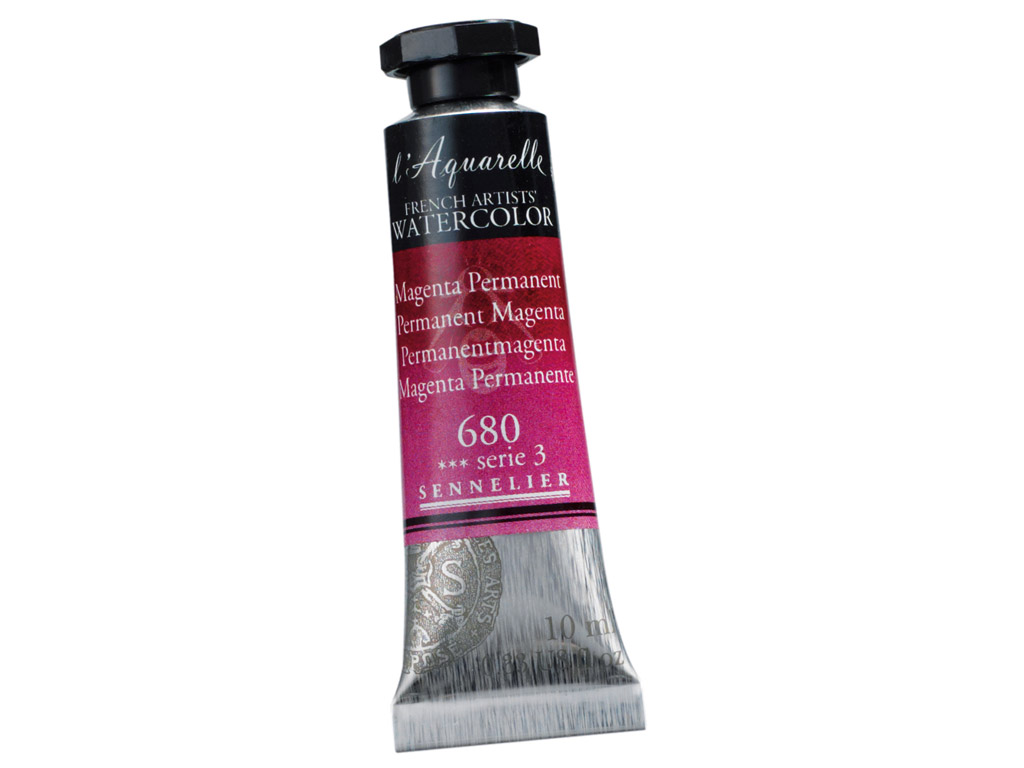
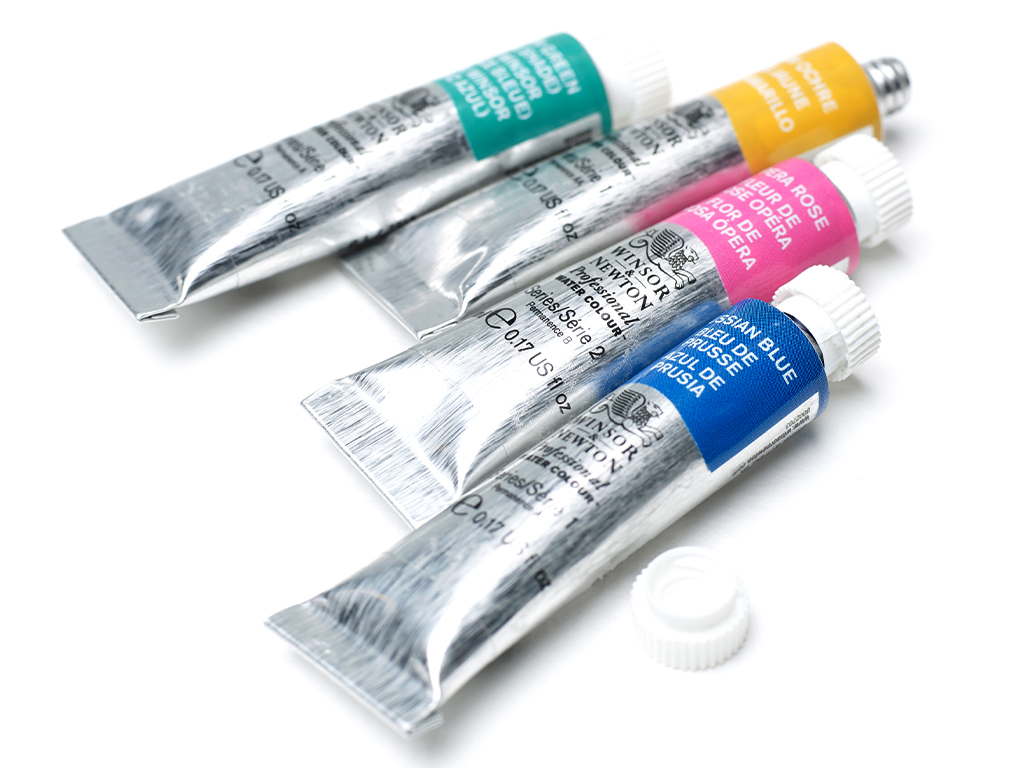
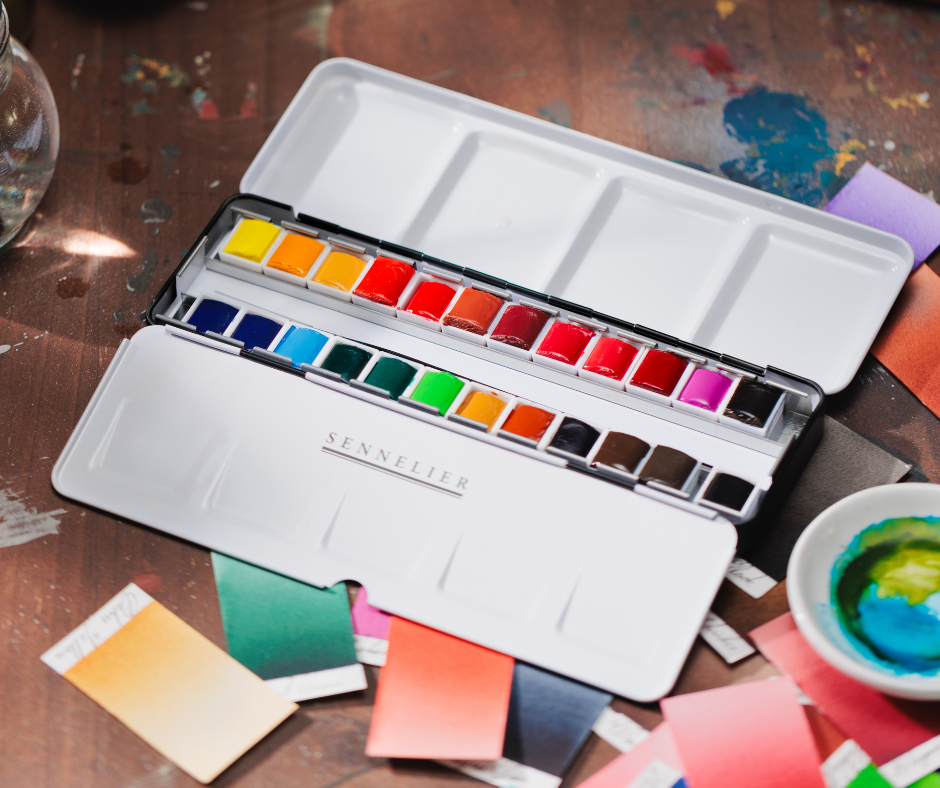
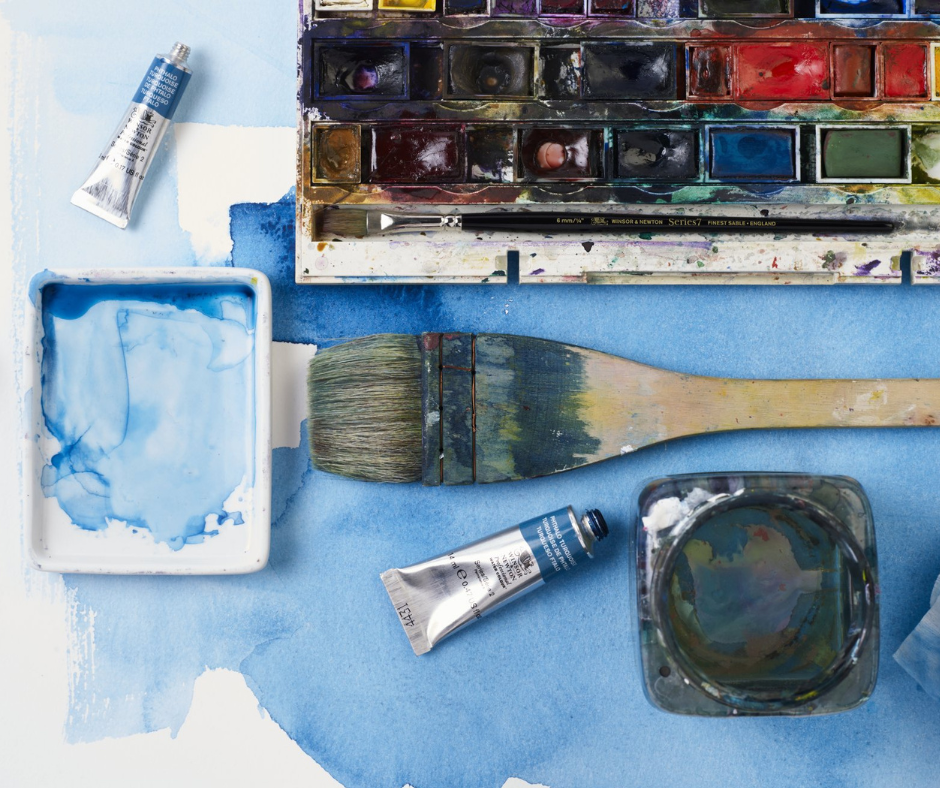
The quality of watercolour paints plays an important role. The amount and quality of pigment affect how vibrant the colours are, how well they blend, and how the paint behaves once dry on paper. This is why many artists prefer trusted and well established brands such as Winsor & Newton and Sennelier, whose paints offer stable and reliable results.
At the same time, watercolour is about more than just materials. It is a technique where colour, water, and paper work together continuously, and where complete control is not necessarily the goal. With a willingness to experiment and the right tools, watercolour becomes a playful and enjoyable way to express ideas, where every result is slightly different, yet always unique.